

Discover how to dress, hydrate, and choose the best cycling apparel to train in temperatures exceeding 35 °C without losing performance.
Climate change with temperatures exceeding 35 °C is a reality that directly affects athletes training outdoors, forcing a rethink of both training habits and the cycling gear we use.
Just a few decades ago, days with temperatures above 35 °C were isolated episodes in many areas of southern Europe. Today, however, heatwaves are more frequent, more intense, and more prolonged across Europe and worldwide.

Climate Change is Transforming the Way We Train
For cyclists, climate change means adapting to a new scenario. Choosing cooler times of day, planning hydration better, reducing intensity when conditions demand it, and wearing garments specifically designed to aid thermoregulation is no longer just a matter of comfort, but also of health and performance.
This evolution has also driven innovation in the sports textile sector. Latest-generation gear has evolved to meet these new climate demands, incorporating lighter fabrics, structures that improve ventilation, more efficient sweat evacuation, and patterns that promote air circulation without sacrificing aerodynamics.
At INVERSE, this context is part of the development process for new collections. Designed and manufactured in Barcelona, many of their garments are conceived with the Mediterranean climate conditions in mind, aiming to help cyclists maintain maximum comfort and performance even during the hottest days of the year.
Adapting to climate change does not mean giving up enjoying the bicycle. It means understanding the environment better, training wisely, and choosing gear prepared to face the new conditions that, year after year, are becoming the new normal.

Why Does Performance Drop So Much in the Heat?
When you pedal under high temperatures, your body has to manage two simultaneous efforts:
- Fueling the muscles
- Cooling the body
This causes:
- An increased heart rate
- More sweating
- Accelerated loss of water and mineral salts
- A feeling of exhaustion
- Reduced capacity to produce power
It is no coincidence that major races are increasingly adapting professional team strategies when the hottest stages arrive.

Clothing Can Make the Difference
Many cyclists still think that any thin jersey is enough. It is not. Quality technical gear—like that offered by INVERSE—acts as an active thermal regulation system.
The most important features are:
- High breathability
- Fast sweat evacuation
- Very low weight
- Ergonomic fit
- Fabrics that do not retain moisture
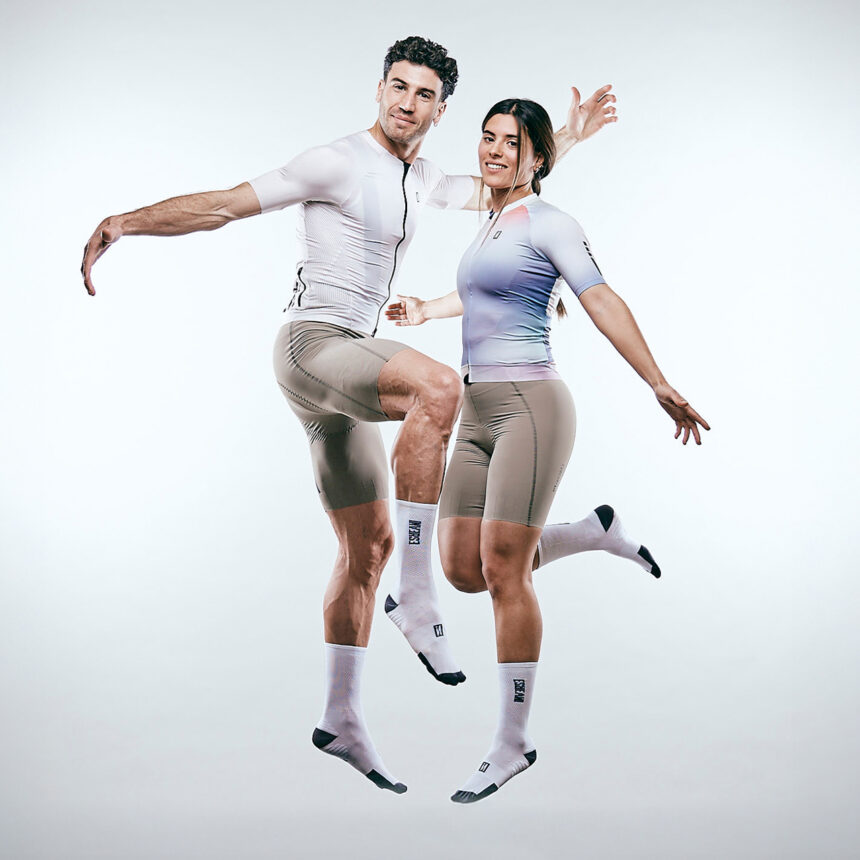
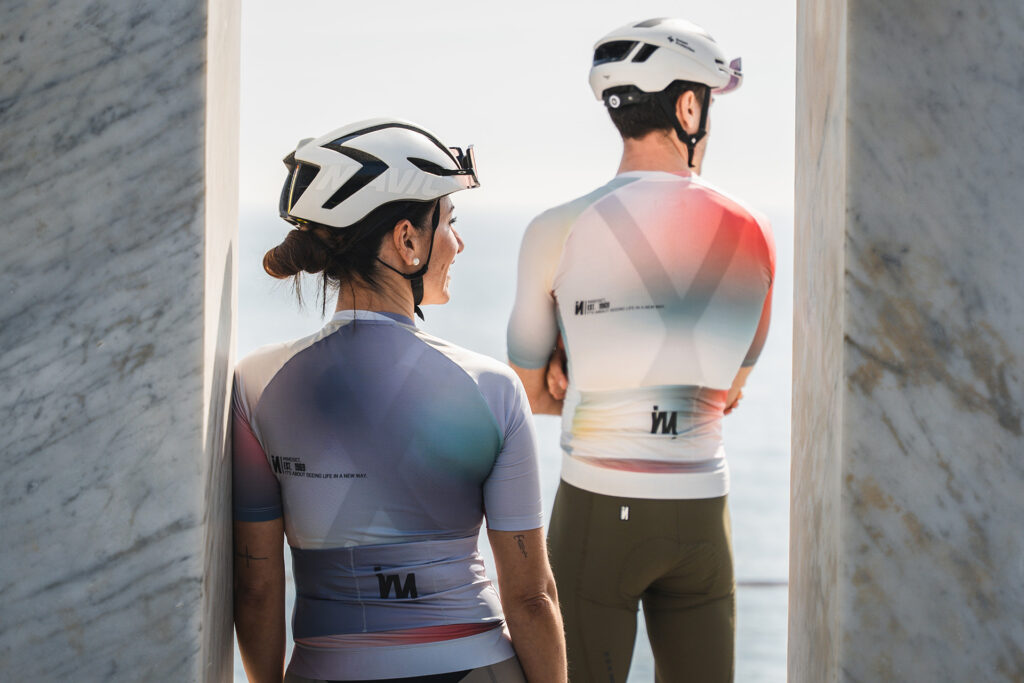
The INGRAVID 2.6 summer cycling collection, designed and manufactured in Barcelona, was conceived precisely to meet these conditions, featuring garments optimized for temperatures between 20 and 38 °C, focusing on maximum lightness, fast sweat evacuation, and an aerodynamic fit.ra temperaturas de entre 20 y 38 °C, apostando por la máxima ligereza, la evacuación rápida del sudor y un ajuste aerodinámico.
What Should a Good Jersey for Extreme Temperatures Look Like?
Not all jerseys perform the same. When the heat is intense, it is wise to look for:
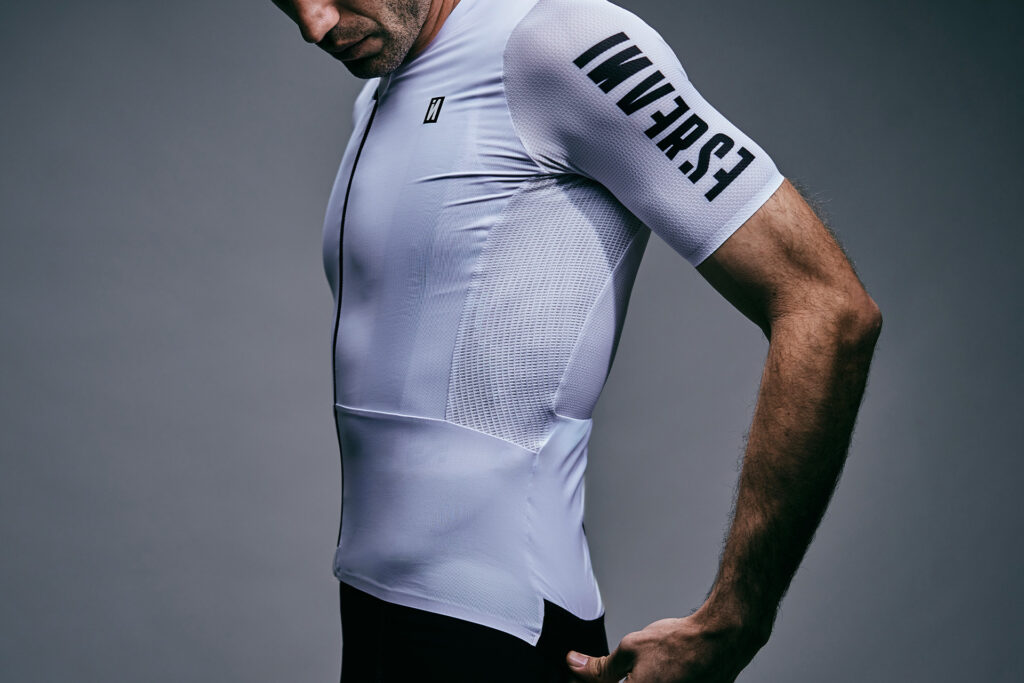
- Ultra-lightweight: Every gram counts. The most advanced jerseys reduce weight without compromising durability.
- High ventilation: Micro-perforated panels allow constant air circulation.
- Sweat evacuation: Dry skin means more comfort and better body temperature regulation.
- Anatomical fit: A jersey that is too loose hinders airflow and harms aerodynamics in road cycling.
Bib Shorts Also Matter More Than You Think
When the temperature exceeds 35 °C, the comfort of your bib shorts becomes essential. A good pair of bib shorts should offer:
- Muscle compression
- Reduced seams
- Highly breathable fabrics
- A chamois adapted for long distances
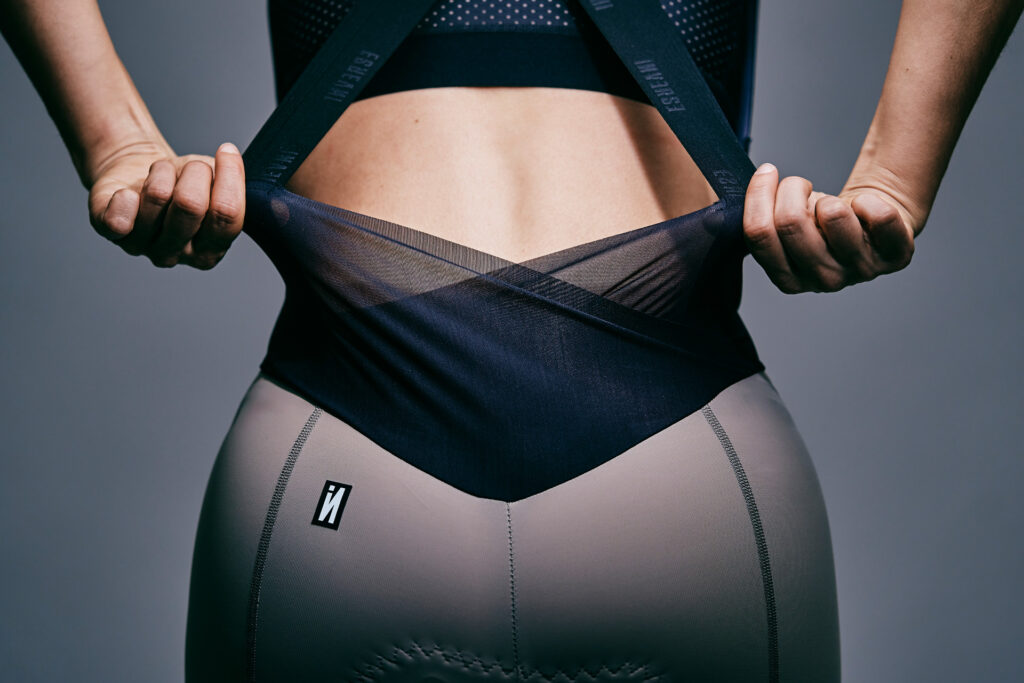
In the case of women’s cycling, exclusive systems like Inverse’s FLEXYGO 2.0 in women’s cycling shorts provide a very significant functional improvement during stops, without the need to remove the jersey.
Five Very Common Mistakes in Extreme Heat
- Leaving too late: Between 1:00 PM and 5:00 PM is when the temperature is most demanding.
- Waiting until you’re thirsty: By the time thirst appears, dehydration has already begun.
- Wearing cotton clothes: Cotton absorbs sweat, increases the weight of the garment, and hinders body cooling.
- Using gear that is too thick: Modern technical fabrics offer much greater ventilation capacity.
- Forgetting mineral salts: You don’t just lose water; you also lose electrolytes essential for performance.

What Do the Professionals Recommend?
Top-level teams usually combine several strategies:
- Starting the route earlier
- Hydrating before feeling thirsty
- Using ultra-lightweight garments
- Adapting training intensity
- Protecting themselves from the sun
- Prioritizing gear developed specifically for summer
The technology applied to racing apparel has evolved significantly in recent years, featuring lighter fabrics, anatomical patterns, and ventilation systems aimed at keeping the cyclist dry and comfortable even on days of intense heat.

Conclusions
Training in temperatures over 35 °C is not just about enduring the heat, but about managing it intelligently. Choosing summer-specific gear, hydrating properly, and adapting training schedules allows you to continue enjoying cycling with greater safety and efficiency.
At INVERSE, we develop our summer collections drawing inspiration from Mediterranean climate conditions and the real needs of cyclists. The result is lightweight, breathable garments designed to offer maximum performance when the heat tests every pedal stroke.
In Summary
- Training above 35 °C is possible if you adapt your strategy.
- Breathable technical clothing is a key factor in maintaining comfort and performance.
- Hydration and electrolyte replenishment are just as important as the training itself.
- Avoid the hours of peak sun exposure and adjust the intensity of your effort.
- Specific summer gear, such as that developed by INVERSE, helps you pedal with greater safety, efficiency, and comfort even on the hottest days.
Frequently Asked Questions (FAQ)
Yes, provided you take the proper precautions. It is advisable to train early in the morning or late in the evening, maintain constant hydration, reduce intensity if necessary, and wear technical gear that promotes ventilation and sweat evacuation. If symptoms like dizziness, chills, confusion, or nausea appear, you must stop the activity immediately and find a cool place.
A summer jersey should be very light, breathable, and made from technical fabrics that quickly wick away moisture. It is also important to have an ergonomic fit that aids aerodynamics without limiting ventilation. INVERSE’s summer collections are specifically developed to offer maximum comfort in intense heat conditions, combining lightness, elasticity, and excellent sweat management.
Light colors reflect a larger portion of solar radiation and can help slightly reduce the surface temperature of the garment. However, the most decisive factor remains the quality of the fabric, its breathability, and the design of the jersey.
There is no single amount for all cyclists, as it depends on the temperature, the intensity of the effort, and each person’s sweat rate. As a general guideline, it is recommended to drink between 500 and 750 ml of fluid per hour, supplementing it with electrolytes during long or particularly hot rides. Ideally, you should start hydrating before you feel thirsty.
High temperatures increase sweating and moisture in the area of contact with the saddle. A quality chamois helps evacuate moisture, reduces friction, and decreases the risk of irritation, improving comfort on long rides.
To reduce the risk, it is recommended to:
Head out early in the morning or at dusk.
Hydrate before, during, and after training.
Adapt intensity to the weather conditions.
Wear summer-specific gear.
Protect yourself with sun cream, sunglasses, and a well-ventilated helmet.
Plan routes with water points or shaded areas.
It depends on the frequency of use and maintenance, but technical gear used intensively can begin to lose its properties after two or three seasons. If you notice that the fabrics have lost elasticity, breathability has decreased, or the chamois no longer offers the same support, it’s time to renew it.
Why is technical clothing better than a conventional sports t-shirt?
Technical clothing specific to cycling is designed to function while in a riding position on the bicycle. It features anatomical patterns, high-performance fabrics, and features such as rear pockets, ventilation zippers, and an aerodynamic fit that a conventional sports t-shirt does not offer.