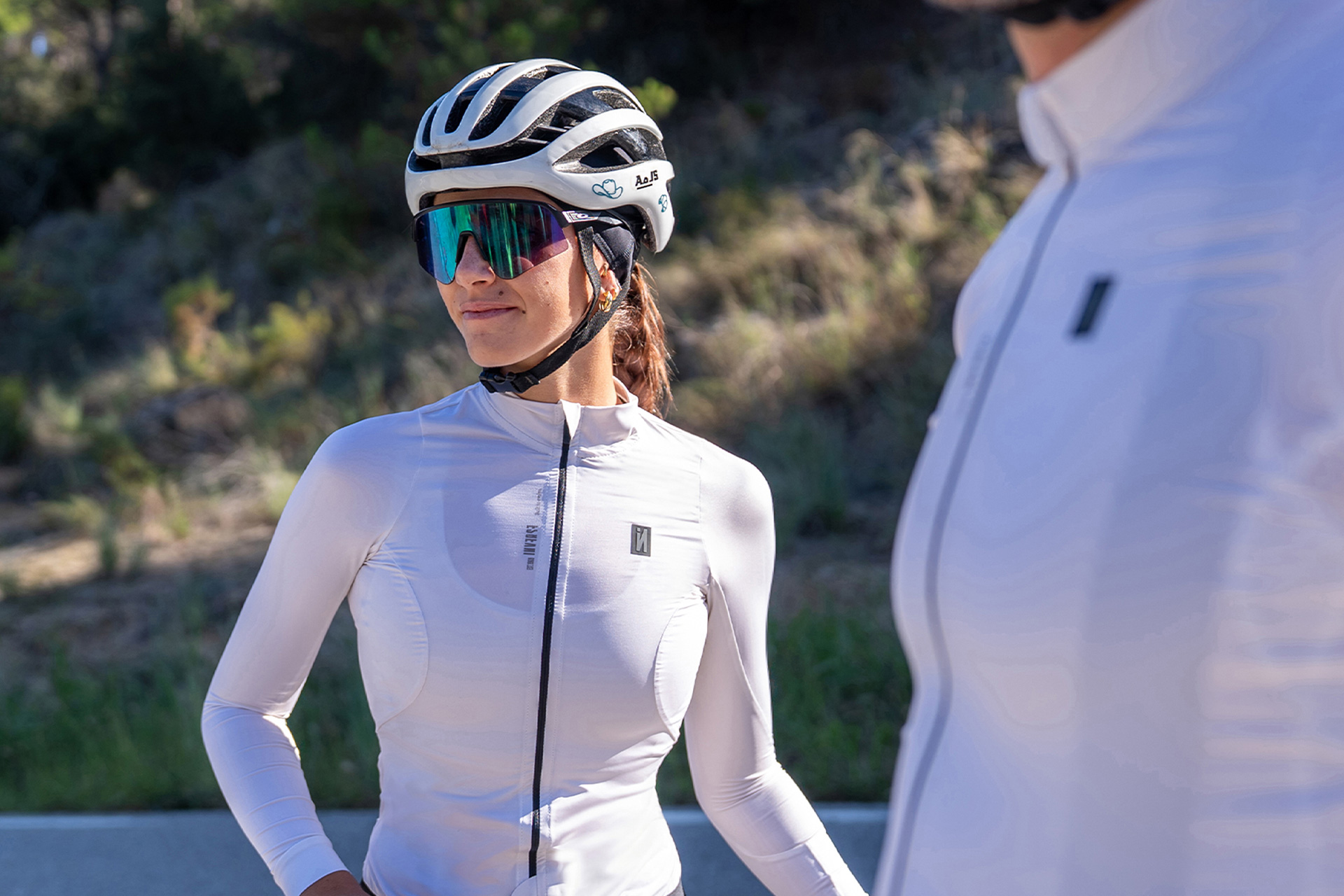


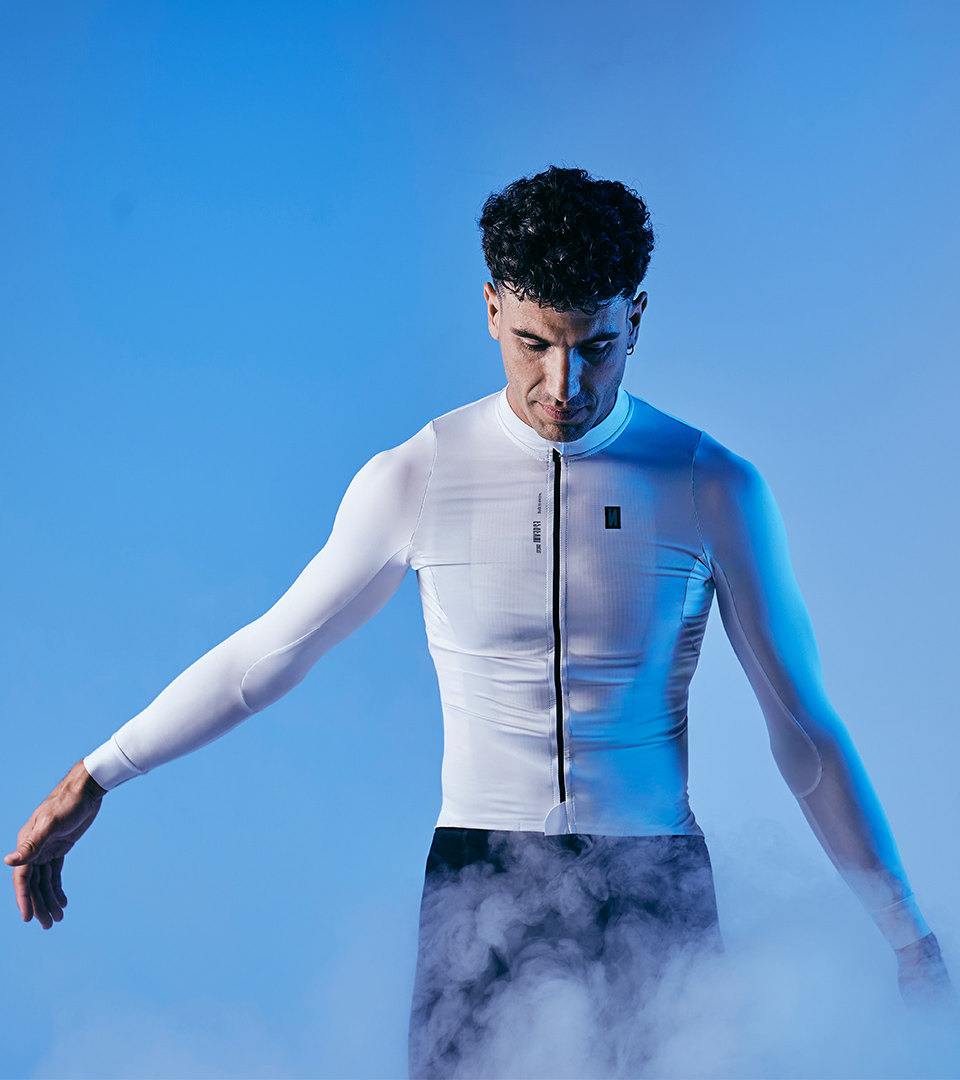
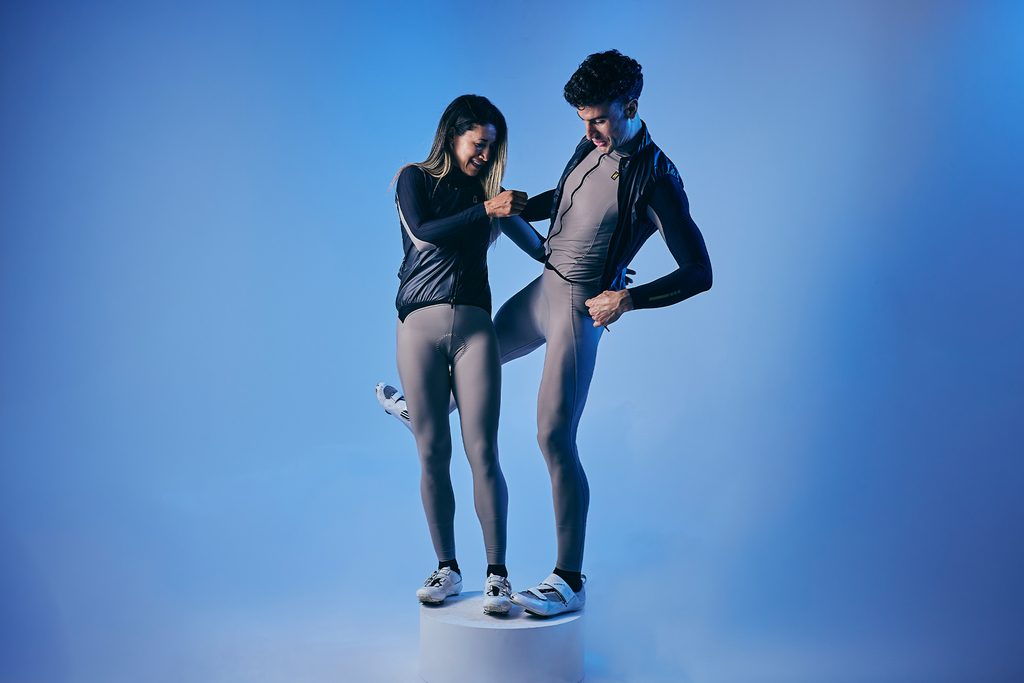
Discover the essential winter cycling accessories for men and women. Protect your neck, head, arms and feet from the cold with INVERSE.
When temperatures drop, choosing a good long-sleeved jersey, long cycling bib tights or a thermal jacket is essential for continuing to enjoy cycling. However, many cyclists overlook one important point: cycling kit does not end with the jersey, bib tights or jacket.
Winter cycling clothing accessories play an essential role: protecting the areas most exposed to the cold, improving comfort during the ride and adapting to temperature changes without having to change your entire kit.
A thermal neck warmer, a skull cap, a good pair of socks or arm warmers can make the difference between an uncomfortable ride and a day of cycling when all you have to think about is pedalling.
Whether you ride road, gravel or MTB, choosing the right accessories will help you maintain a more stable body temperature, manage sweat more effectively and enjoy your training sessions and rides during the colder months.
At INVERSE, we believe that cycling kit, together with its accessories and add-ons, should meet real needs on the bike. That is why we explain which winter cycling accessories are most practical, what each one is for and how to choose them, whether you are a man or a woman.
Why are cycling clothing accessories important in winter?
During a winter ride, your body generates heat as you pedal, but wind, moisture, rain and low temperatures can increase the sensation of cold.
In these conditions, technical accessories allow you to adjust thermal protection without having to take off or change all your clothing.
A good winter accessory should meet three requirements:
- Protect the areas most exposed to cold and wind, such as the neck, ears, head, hands and feet.
- Help regulate body temperature to prevent overheating and sweat build-up during exertion.
- Be comfortable and practical, with stretchy fabrics, a good fit and the option to remove it easily when the temperature rises.
The key is to use lightweight, breathable accessories that are easy to combine with the rest of your cycling kit.
1. Thermal cycling neck warmer: protection for your neck and throat
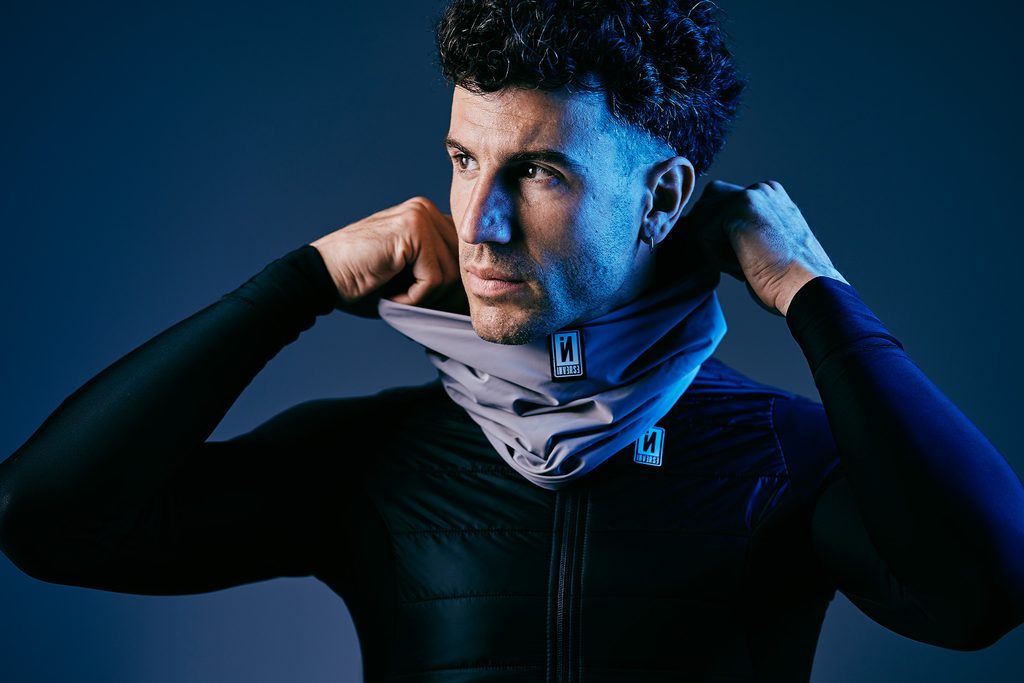
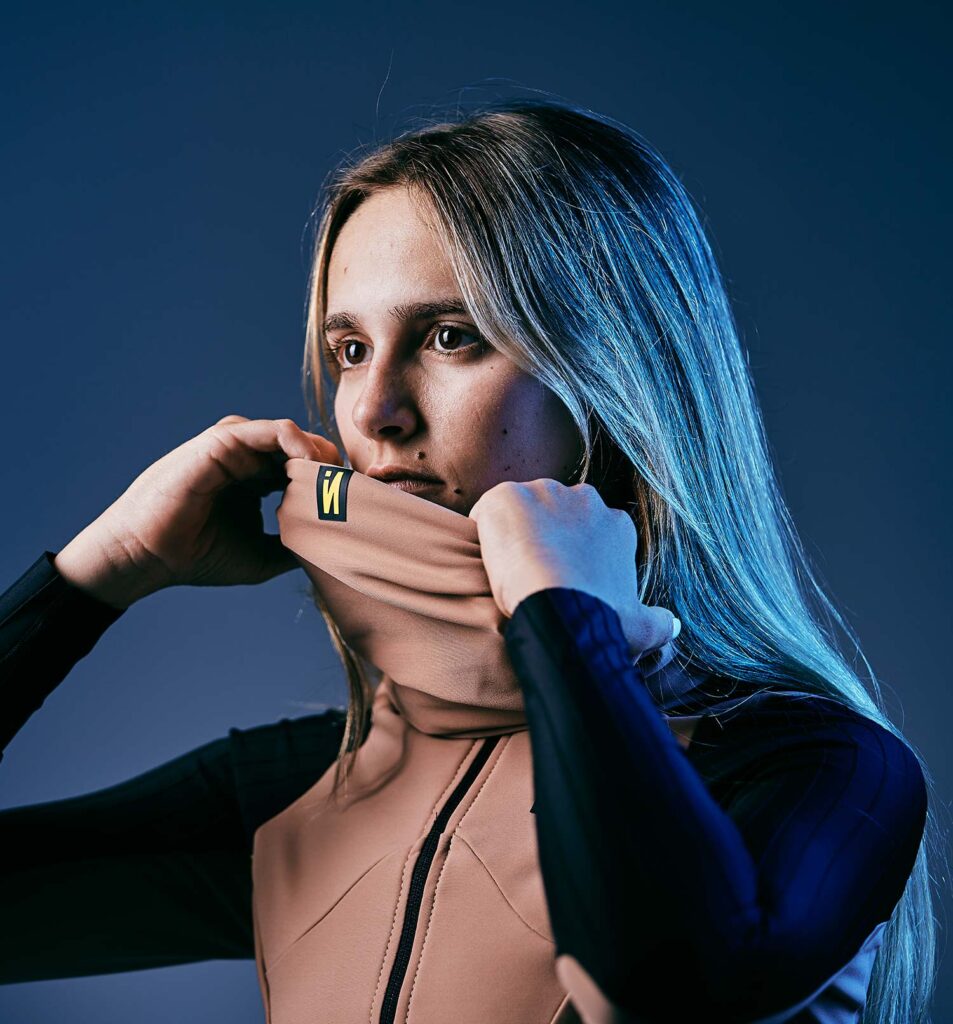
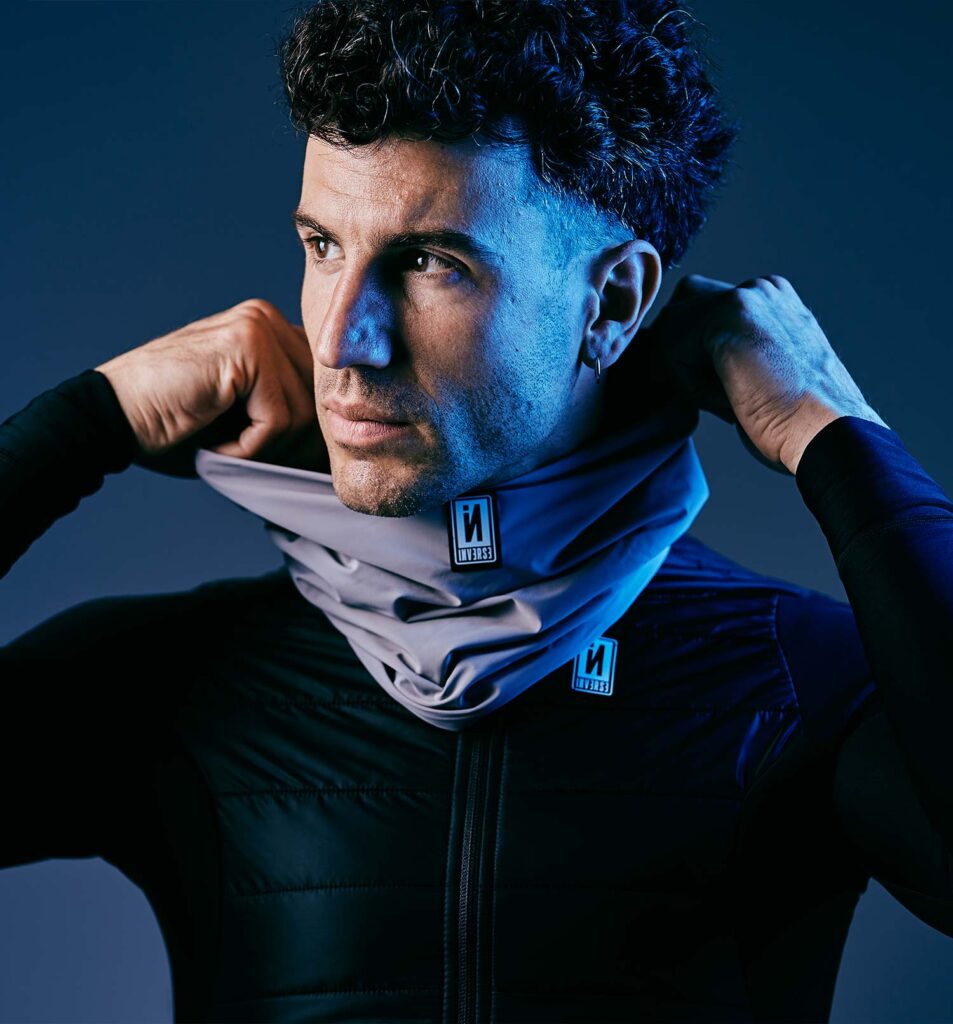
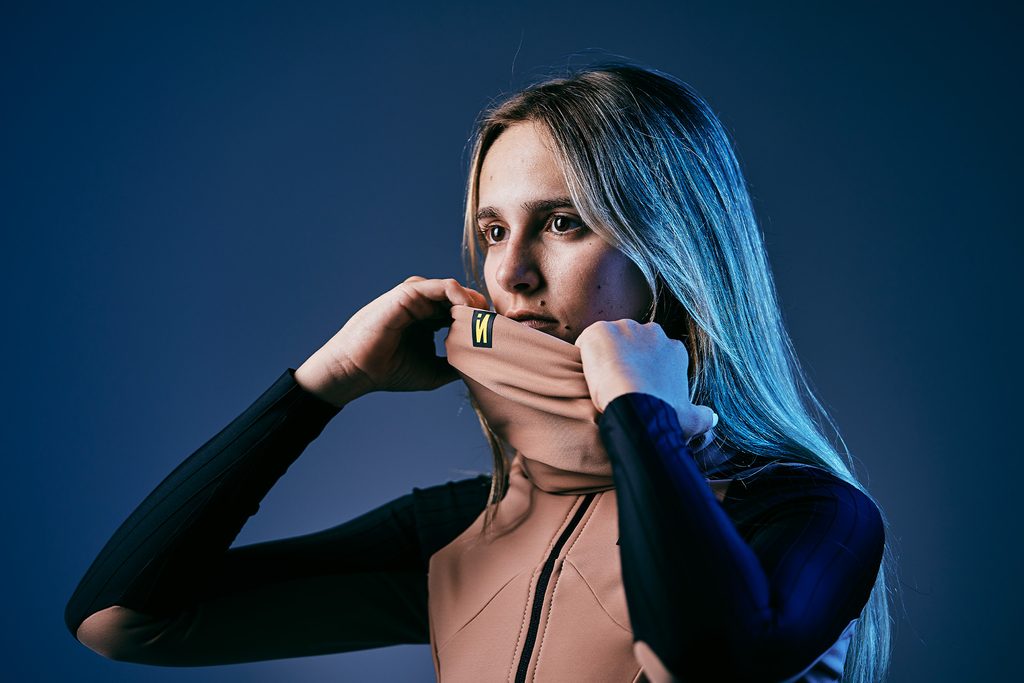
El tubular térmico es uno de los accesorios más versátiles para practicar ciclismo en invierno. Protege el cuello frente al aire A thermal neck warmer is one of the most versatile accessories for cycling in winter. It protects your neck from cold air and helps reduce heat loss in an area that is particularly exposed during road rides.
It can also partially cover the lower part of your face when conditions require it, provided it does not affect your breathing or comfort.
Its main advantage is versatility. You can wear it around your neck, pull it up to protect your mouth area or lower it when you start to feel warm. If the temperature changes during the ride, you can adjust the coverage in seconds.
Two options stand out in the INVERSE collection:
- OUTTER KYRO, a thermal neck warmer that combines an Aeroshell membrane with a Thermal Pro inner layer to provide protection in cold conditions.
- PURE EDERRA, made from Superroubaix fabric and finished with laser-cut edges for a comfortable fit.
Both options allow you to adapt neck protection to the conditions of each ride.
When should you use it? It is especially useful for early-morning rides, descents, windy routes and days when temperatures change throughout the ride.
Productos recomendados
-
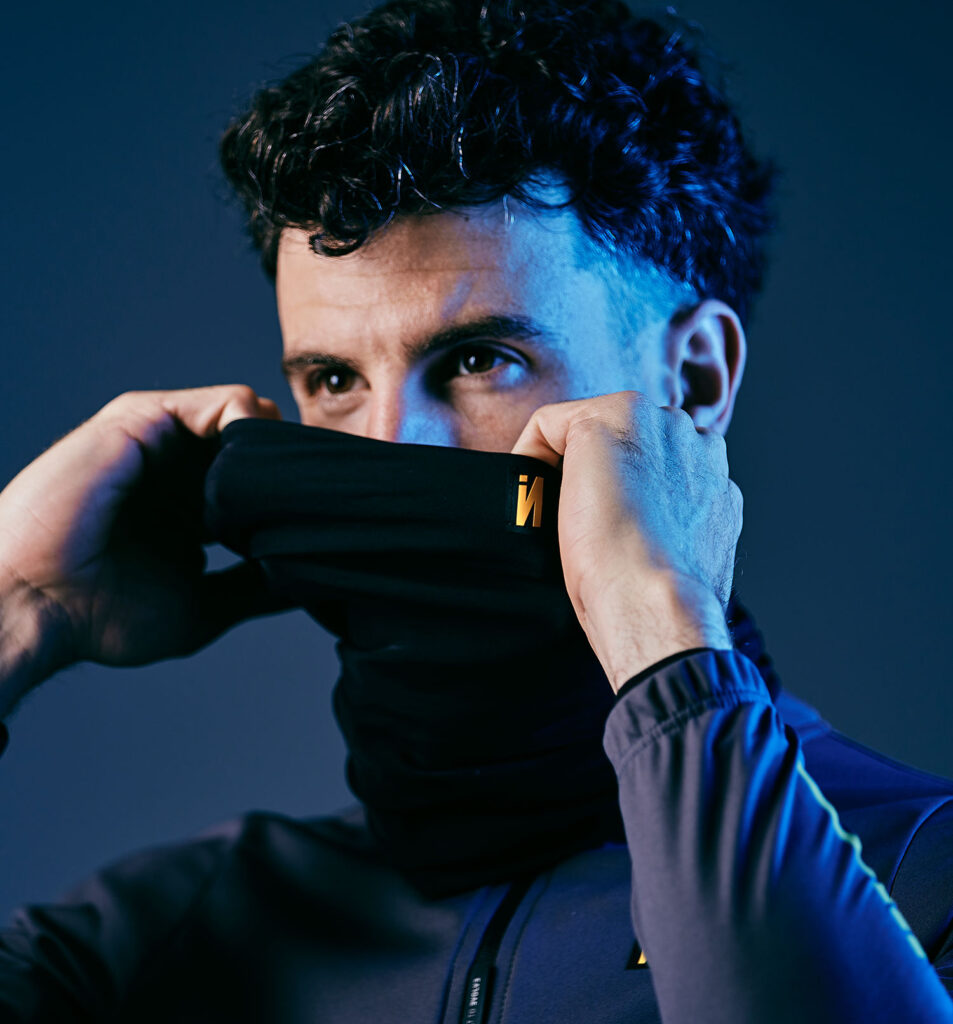
Neckwarmer PURE EDERRA 27 BLACK
21,49€ -
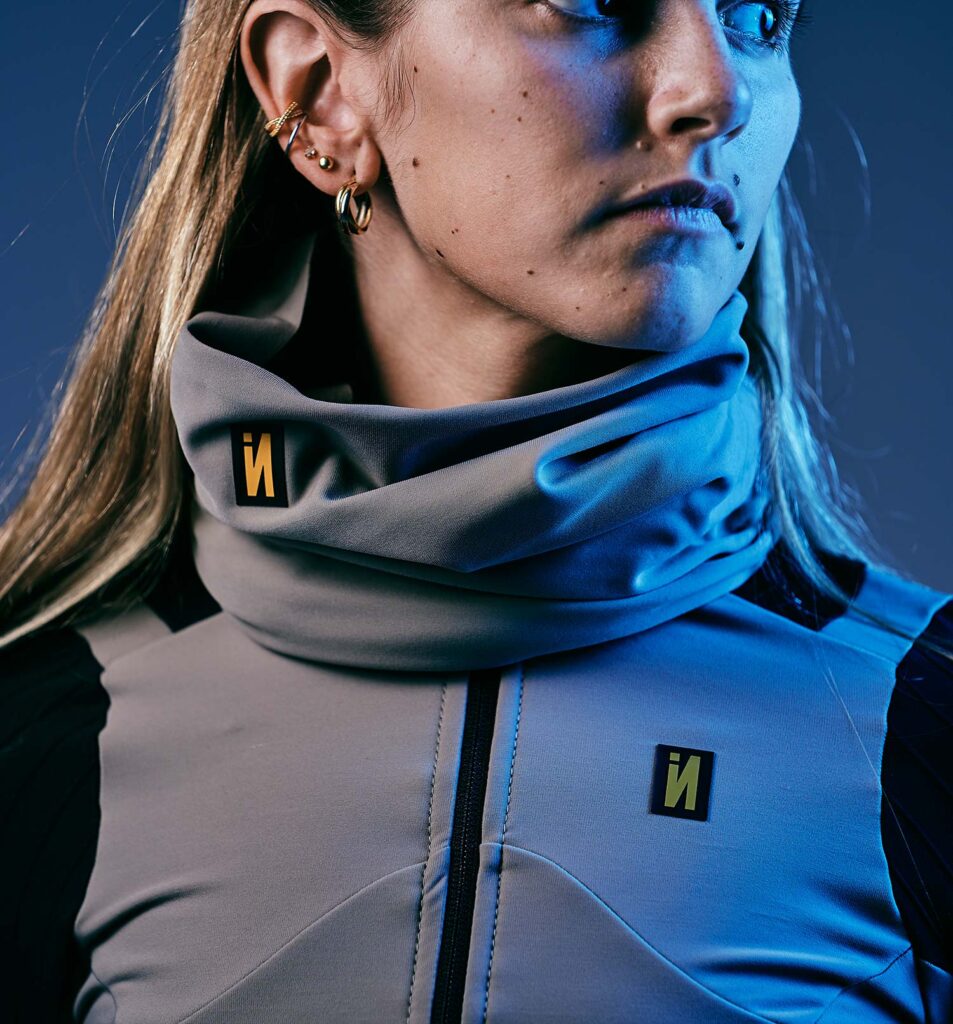
Neckwarmer PURE EDERRA 27 IRON
21,49€ -
Neckwarmer PURE EDERRA 27 UMBER
21,49€ -
Neckwarmer OUTTER KYRO
24,79€
2. Cycling skull cap: a thermal layer under your helmet
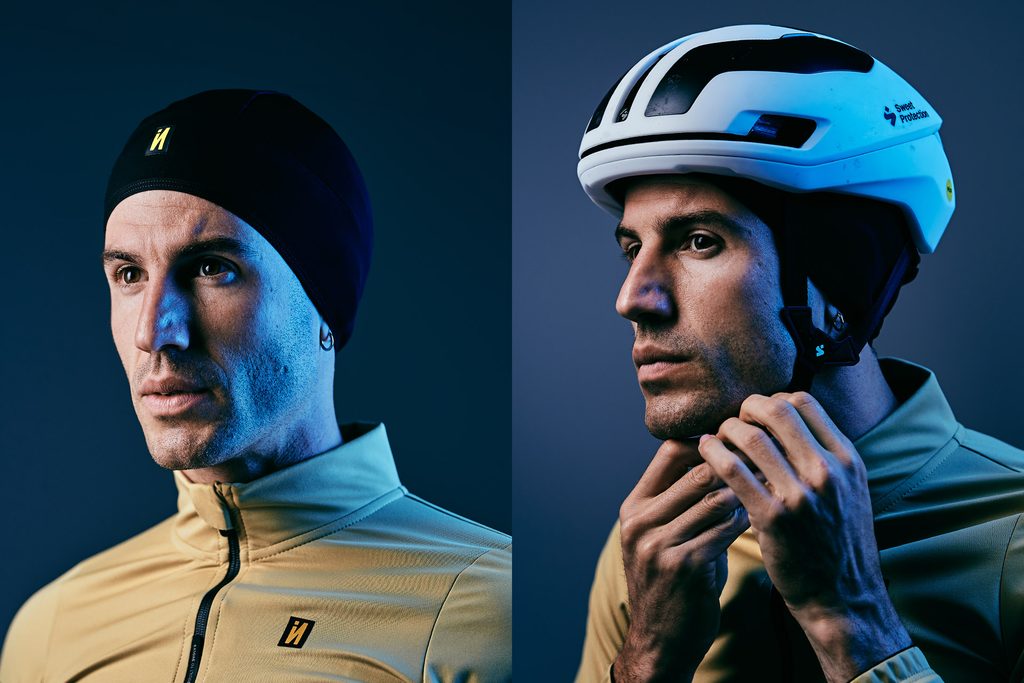
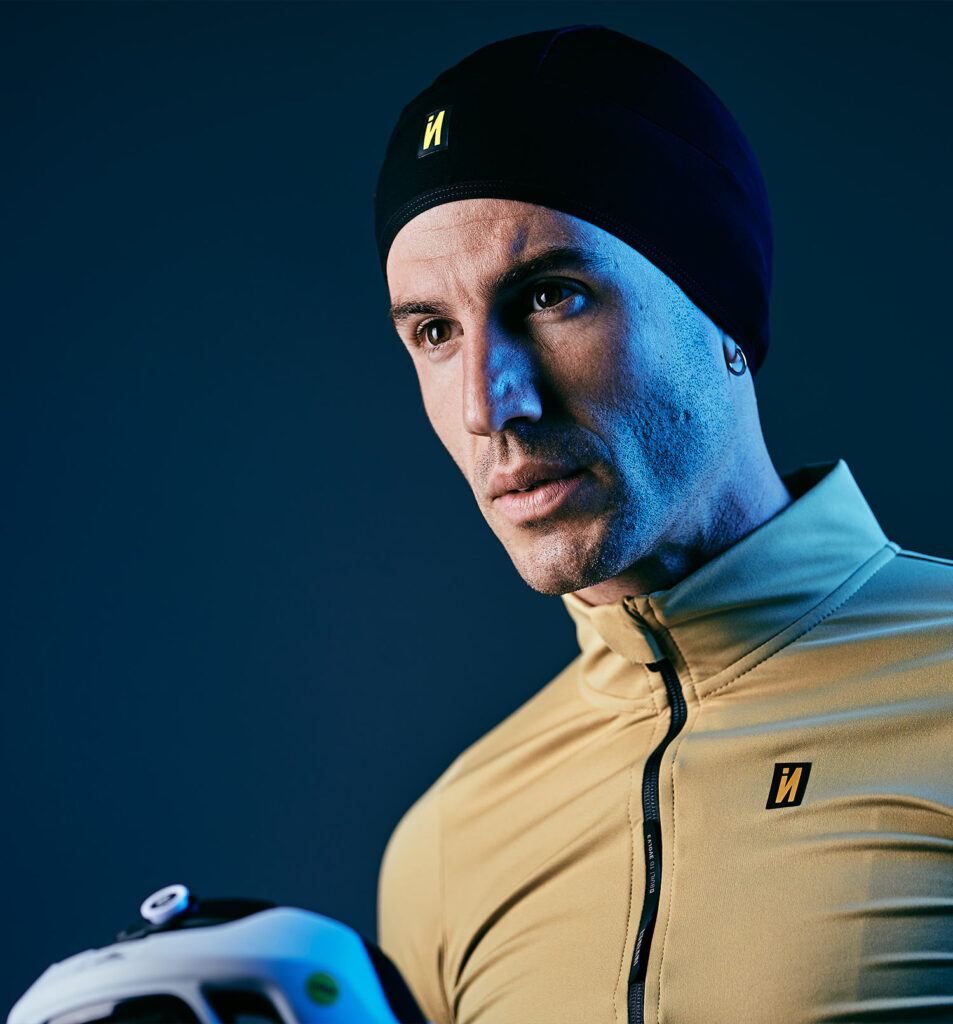
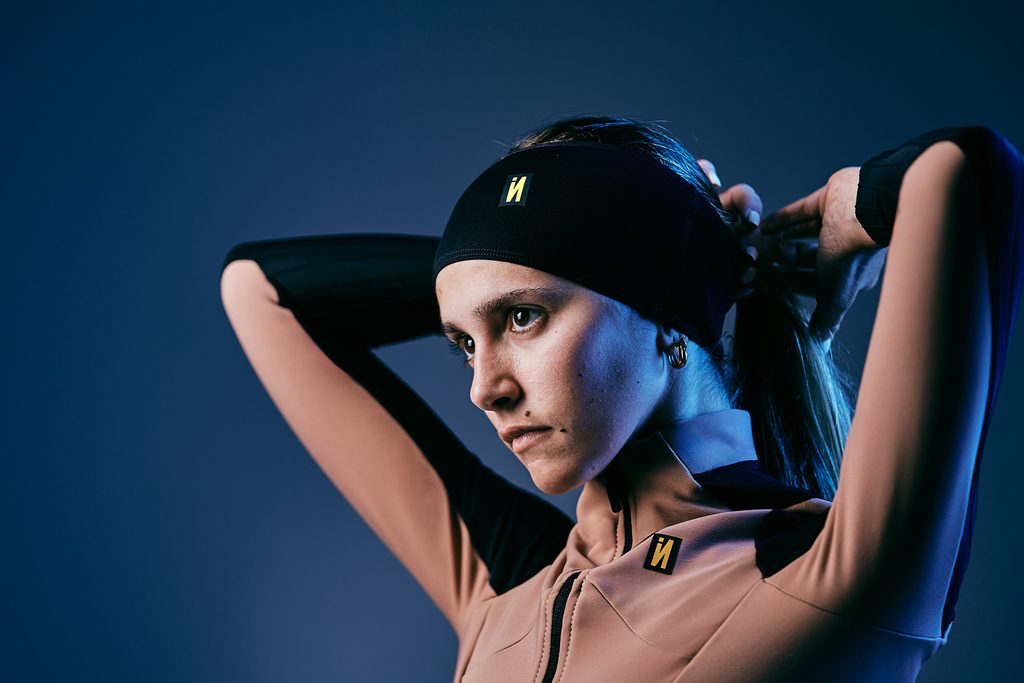
The head is an important area to protect when cycling in cold weather. A cycling skull cap adds a thermal layer under your helmet without the need for a thick hat that could interfere with the helmet’s fit.
A skull cap should be warm, stretchy and breathable. This helps retain heat without adding excessive bulk or making it harder for sweat to escape.
INVERSE offers the PURE IMA skull cap, made from Superroubaix fabric and designed with strategically placed seams and an elastic edge for comfort.
Its compact design means you can wear it with your usual helmet, provided it does not affect the helmet’s proper fit. It is also a practical option for riders who set off early and encounter lower temperatures at the start of their ride.
When should you use it? When the cold affects your head, especially in the early hours, on winter rides and during long descents.
3. Cycling ear warmers: protect your ears without covering your whole head
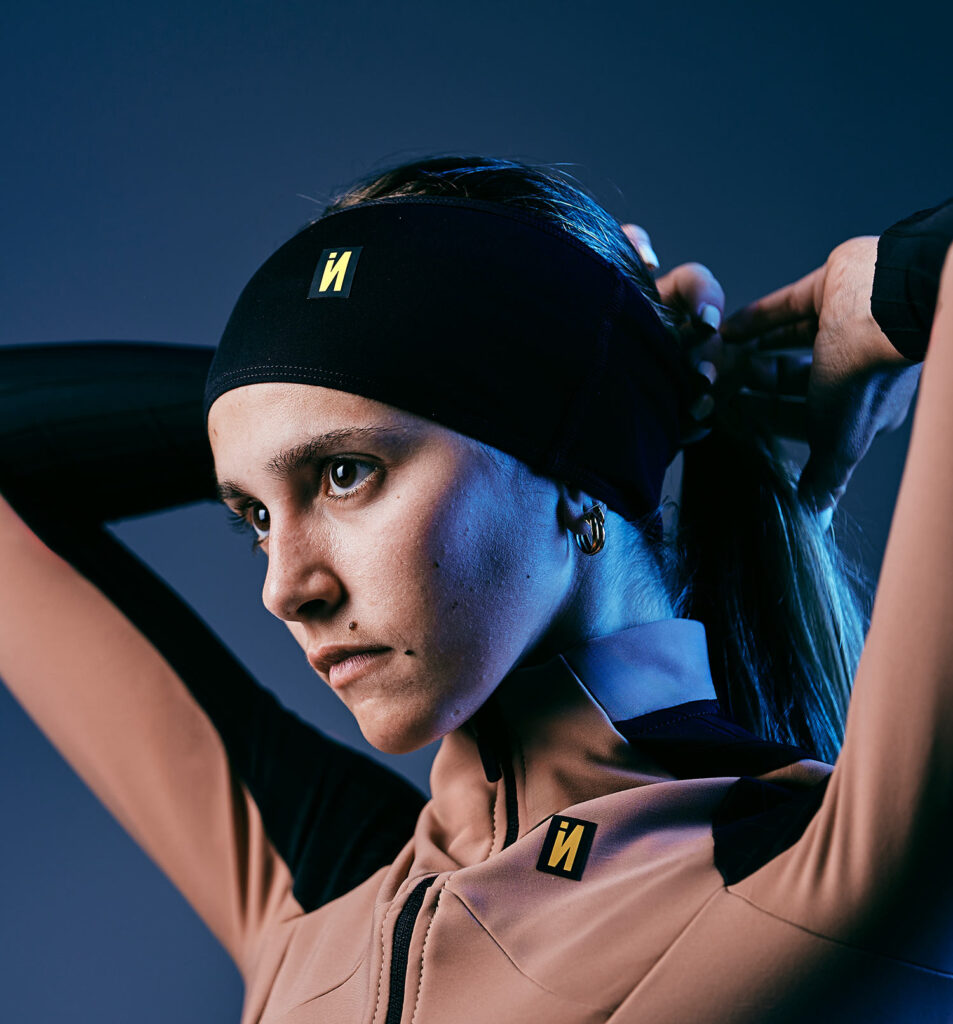
Ears are particularly sensitive to wind and cold. However, not every cyclist needs to cover their entire head with a thermal accessory.
Ear warmers protect this specific area while allowing greater ventilation around the rest of the head. They are a practical solution for riders who need extra warmth around their ears but prefer lighter coverage than a full skull cap.
INVERSE PURE ODA ear warmers use Superroubaix fabric and feature an elastic edge to help provide a secure fit.
Before setting off, check that the ear warmers do not interfere with your helmet, glasses or ability to hear surrounding sounds. Comfort and safety should always go hand in hand.
When should you use them? On cold, windy days, especially when your ears get cold before the rest of your head.
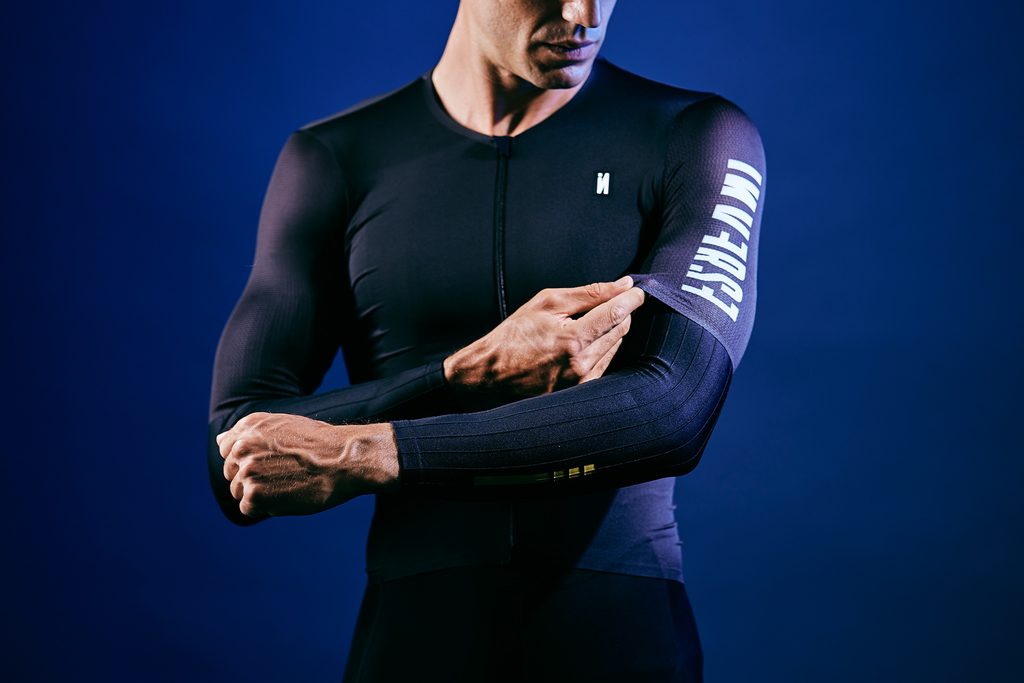
4. Thermal cycling arm warmers: adaptable warmth for your arms
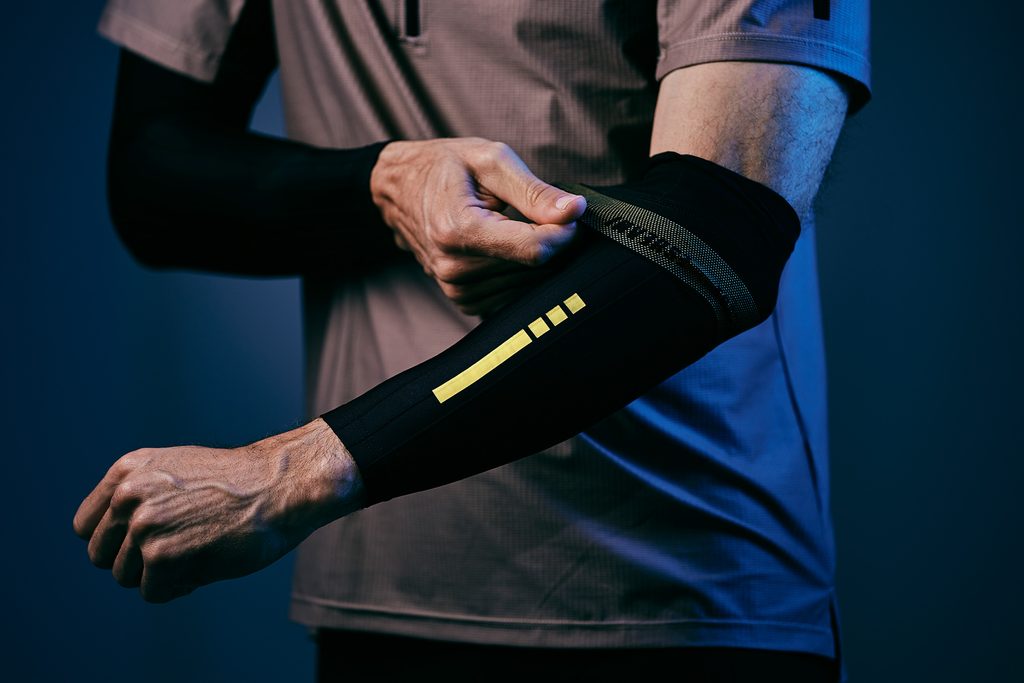
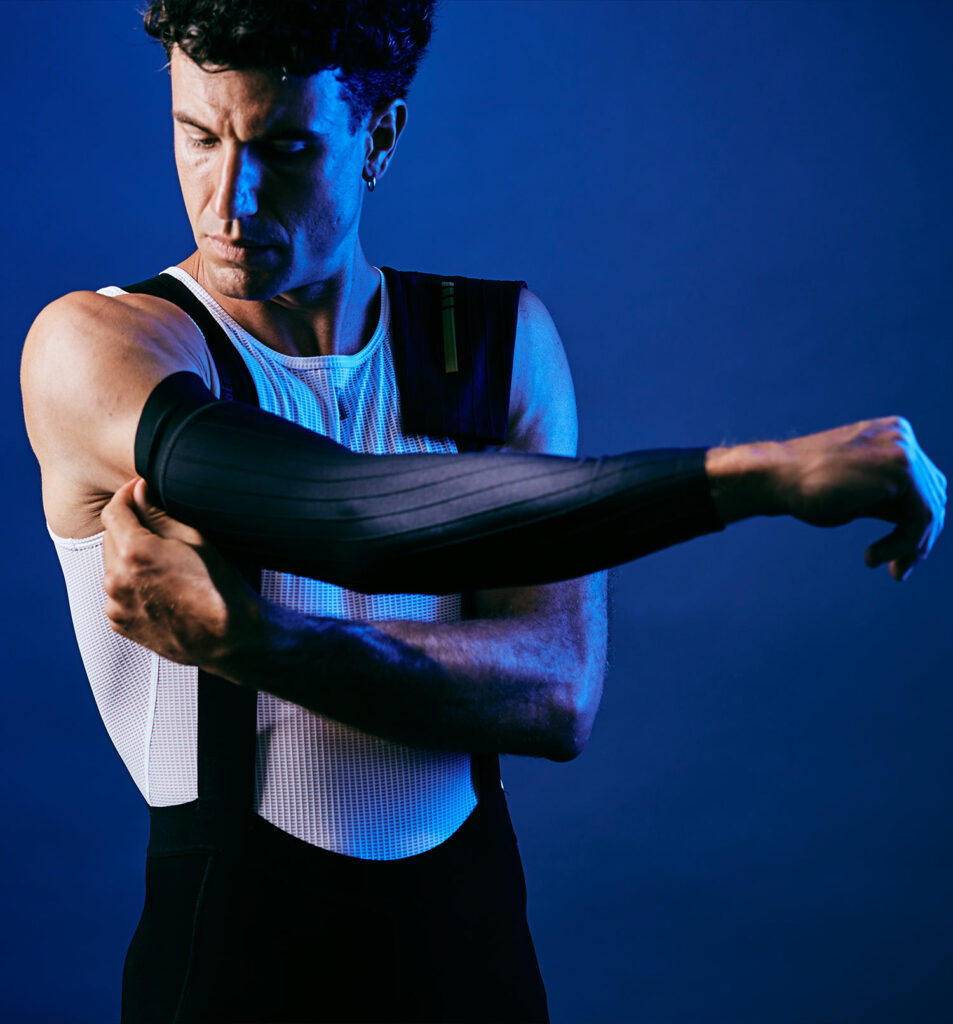
Thermal arm warmers are among the most practical cycling accessories because they let you adjust your kit without changing your jersey.
They fit over your arms and add a layer of thermal protection. When the temperature or effort level rises, you can pull them down or take them off and store them in your jersey pocket, if there is enough room.
This easy adjustment makes them a good choice for changeable weather, routes with altitude changes and training rides that start cold and finish in milder temperatures.
INVERSE XPERT AERO arm warmers are made from Speed Air fabric and feature inner silicone to help keep them in place while you pedal.
Choosing the right size is important: they should fit snugly without compressing your arm excessively or restricting movement.
When should you use them? When you need to protect your arms early in the morning or on descents, but do not want to wear a long-sleeved jersey for the entire ride.
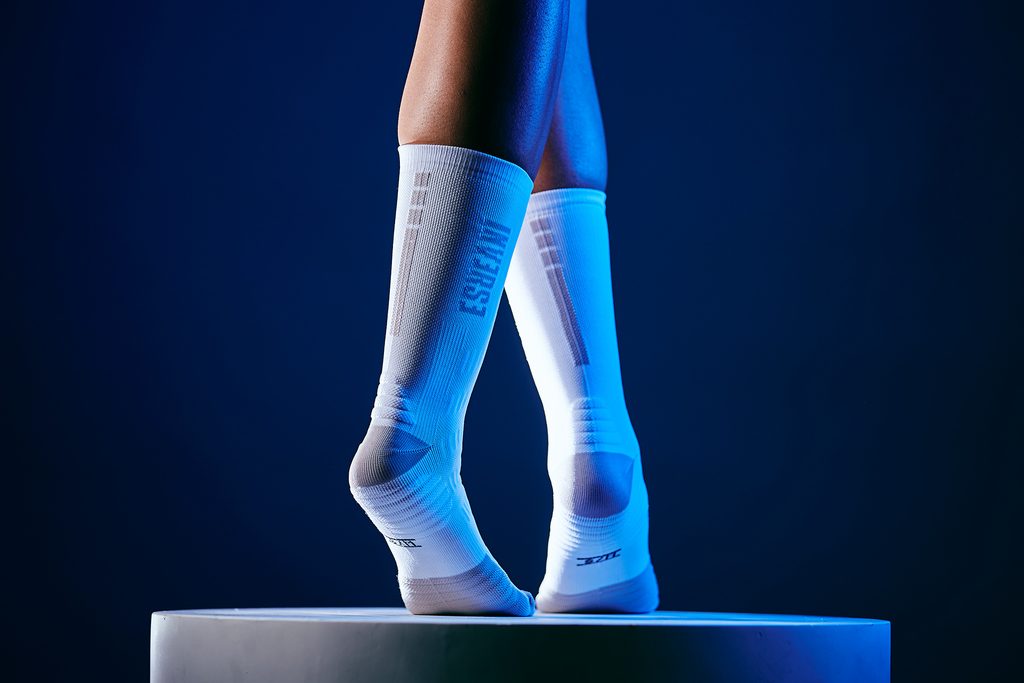
5. Technical winter socks: keeping your feet comfortable
Your feet are another area that suffers during winter rides. Cold, moisture and exposure to the air can cause discomfort that affects the whole cycling experience.
Good cycling socks should combine a secure fit, breathability and protection in the areas that experience the most pressure inside the cycling shoe.
INVERSE ESSENZ NILO socks have a 20 cm cuff, a more open-knit structure in certain areas and terry reinforcements at the toe, arch and Achilles tendon.
These features help combine comfort with moisture management while pedalling.
Remember that socks that are too thick can compress your feet inside your shoes and restrict circulation. In winter, it is therefore better to prioritise a proper fit rather than adding unnecessary bulk.
When should you use them? On cold rides, especially if you spend many hours cycling or notice that your feet lose heat easily.
Productos recomendados
-
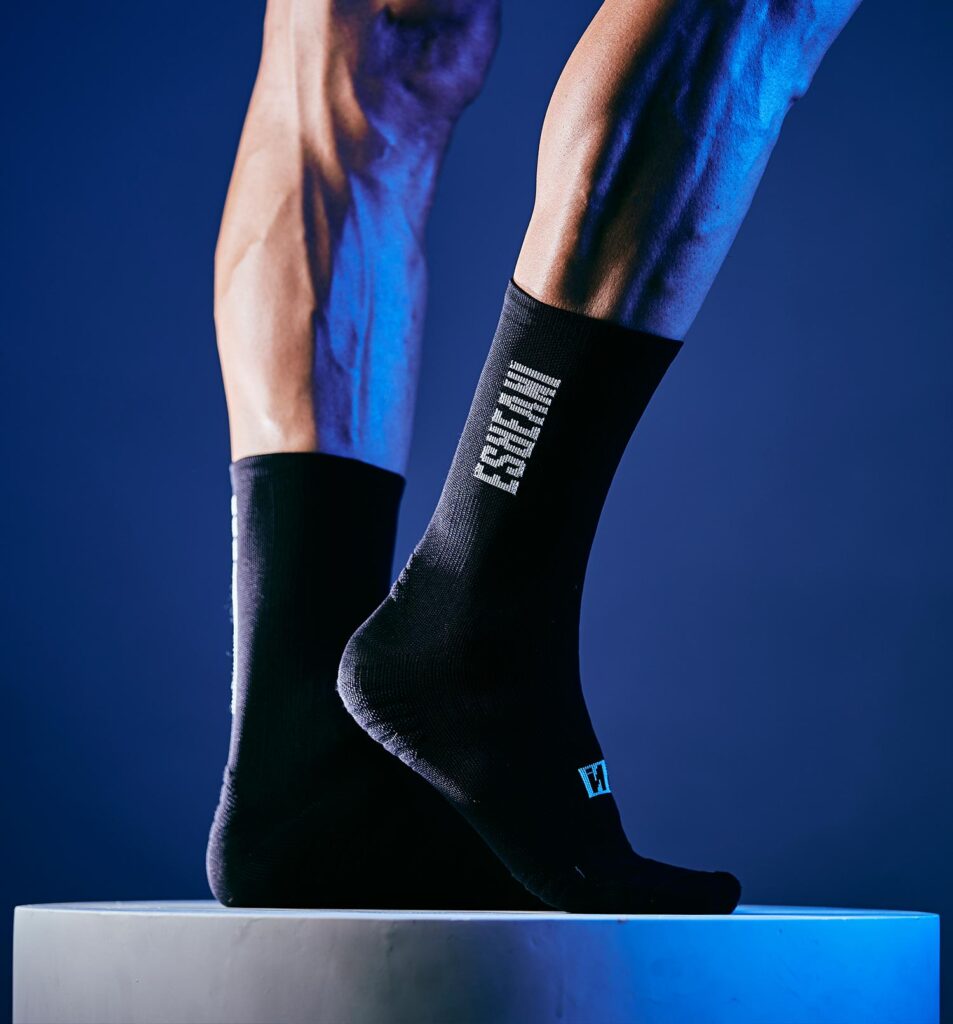
Socks ESSENZ NILO BLACK
15,70€ -
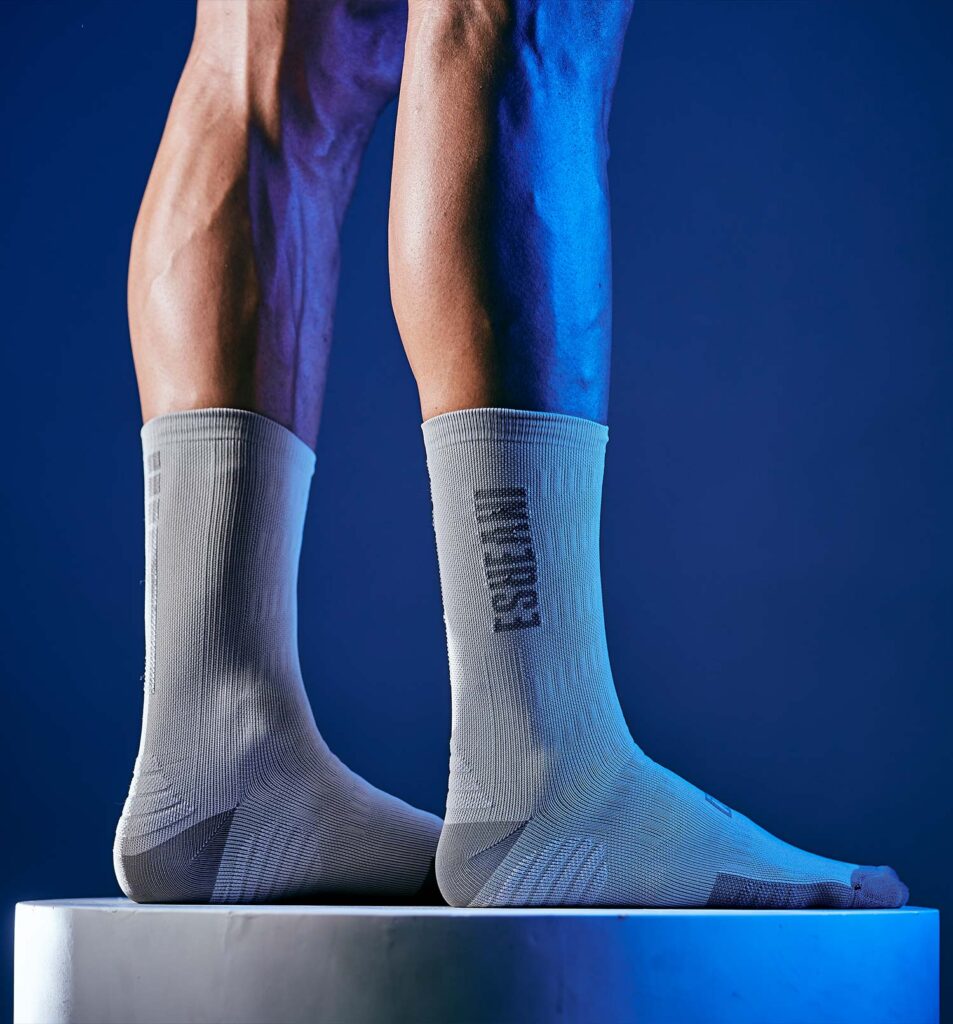
Socks ESSENZ NILO LIGHT GREY
15,70€ -
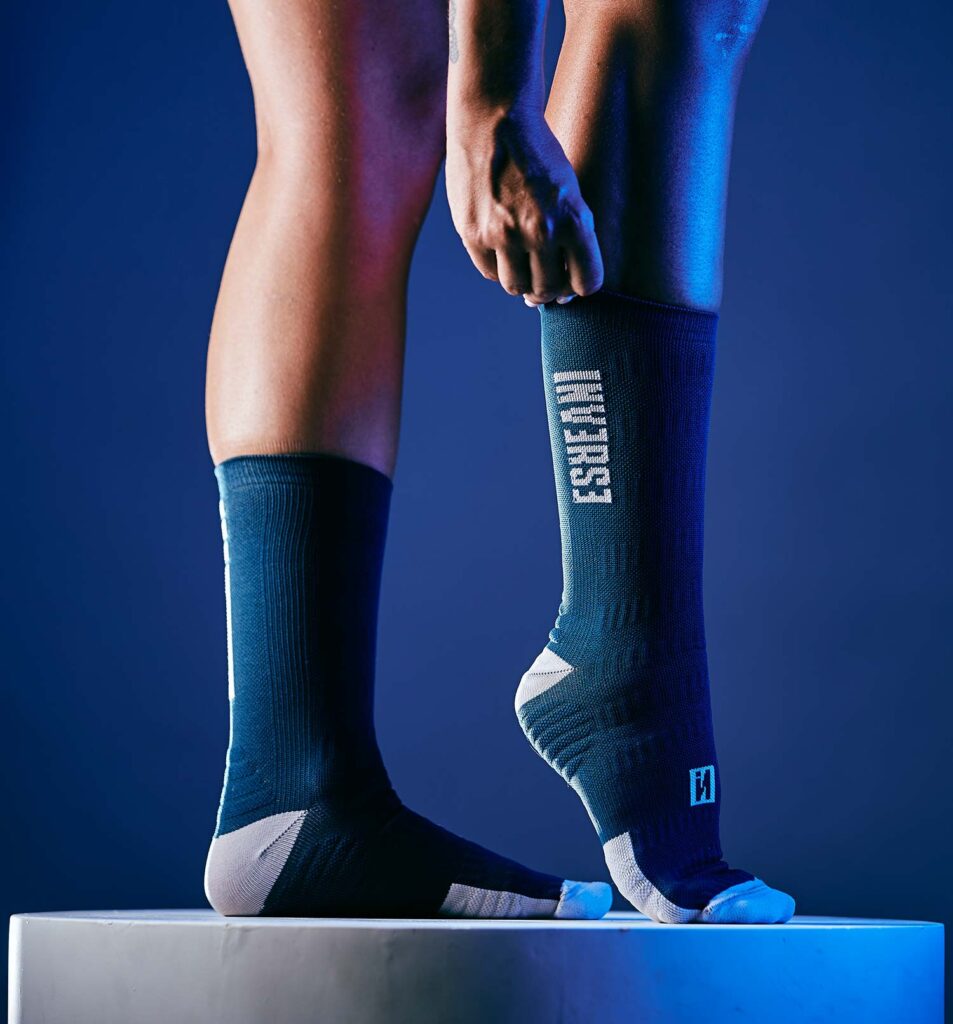
Socks ESSENZ NILO PETROL
15,70€ -
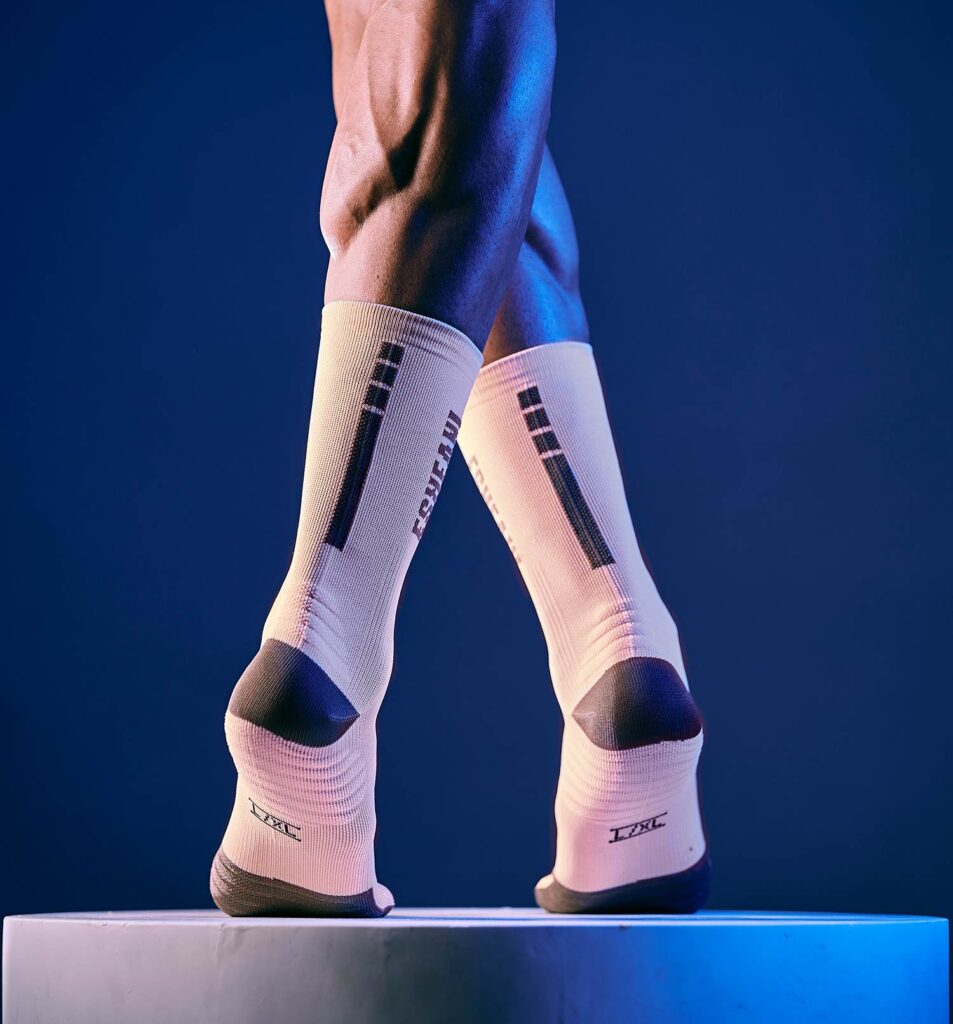
Socks ESSENZ NILO PINK
15,70€ -
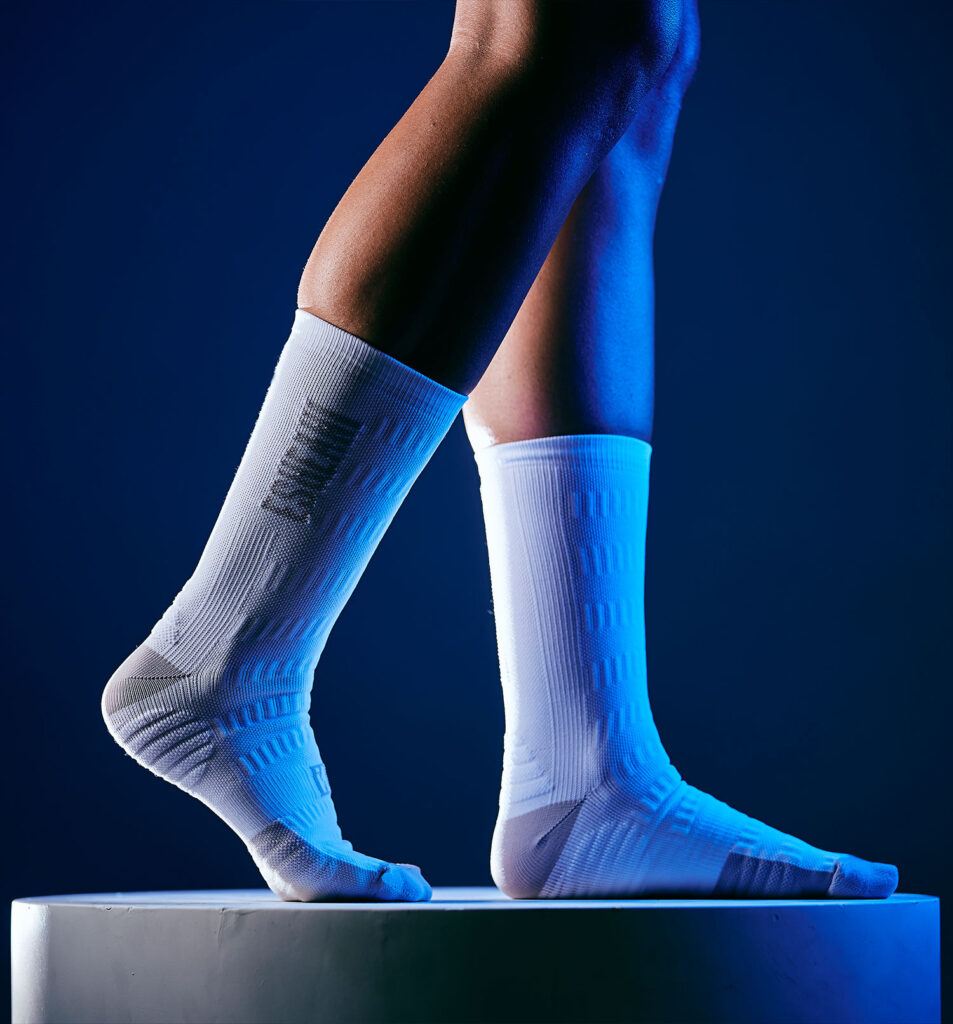
Socks ESSENZ NILO WHITE
15,70€
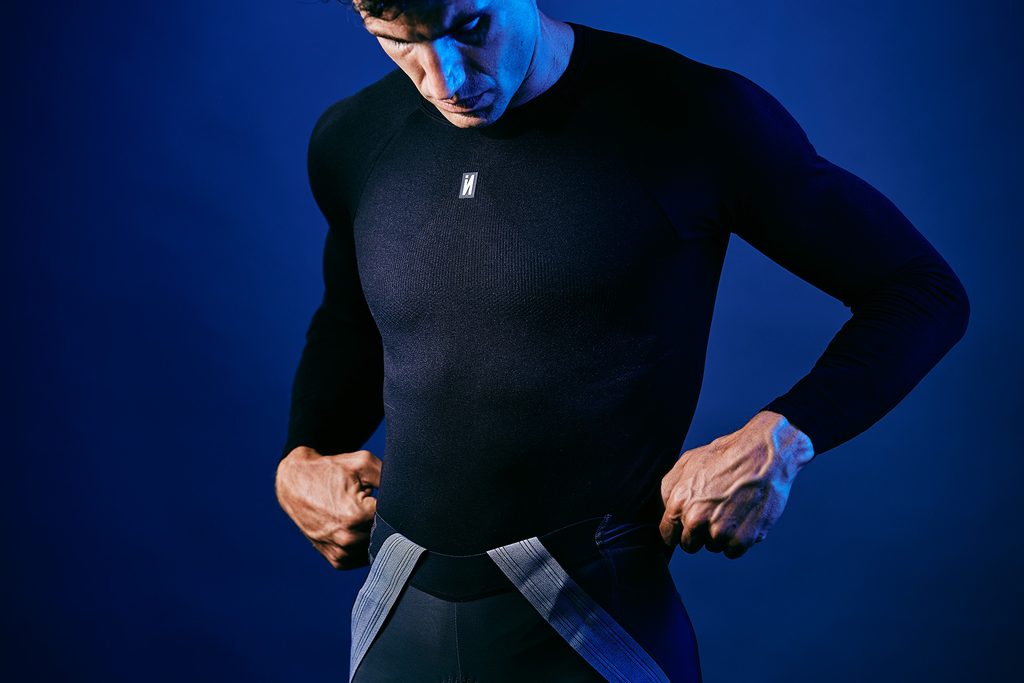
6. Thermal base layer: the first layer of your cycling kit
Although it is often considered a basic garment rather than an accessory, a thermal base layer is essential for completing a winter cycling kit.
Its role is to help manage the moisture your body produces during exertion and provide a first layer of insulation under your jersey or jacket.
When choosing one, consider the temperature, training intensity and the fabric’s breathability. A base layer that is too thick can cause overheating on climbs, while a suitable technical layer helps maintain comfort when your pace drops.
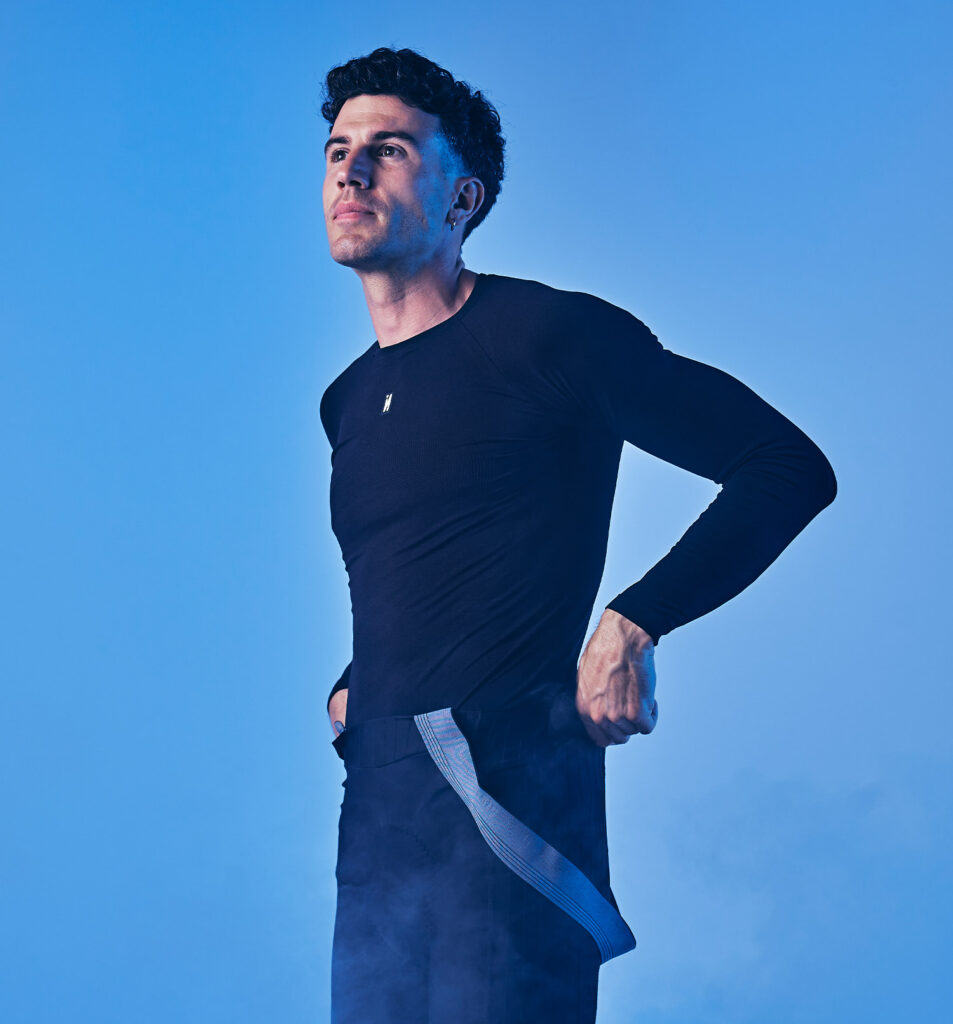
The INVERSE ESSENZ NEVADA thermal base layer is a unisex, seamless option designed to fit the body like a second skin.
Its design allows it to be combined with different kit items, whether you ride on the road, gravel or MTB.
When should you use it? On cold days, especially when you need to combine a thermal base layer with a long-sleeved jersey and a protective outer layer.
7. What other accessories are worth taking on winter rides?
In addition to thermal accessories, other items can improve comfort and safety on winter rides.
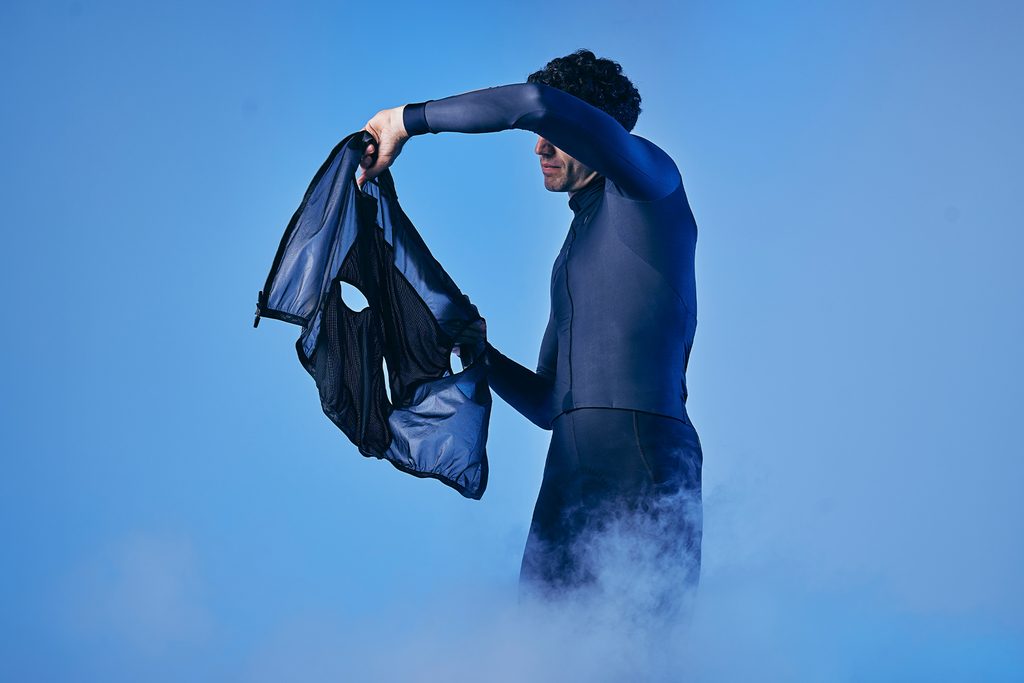
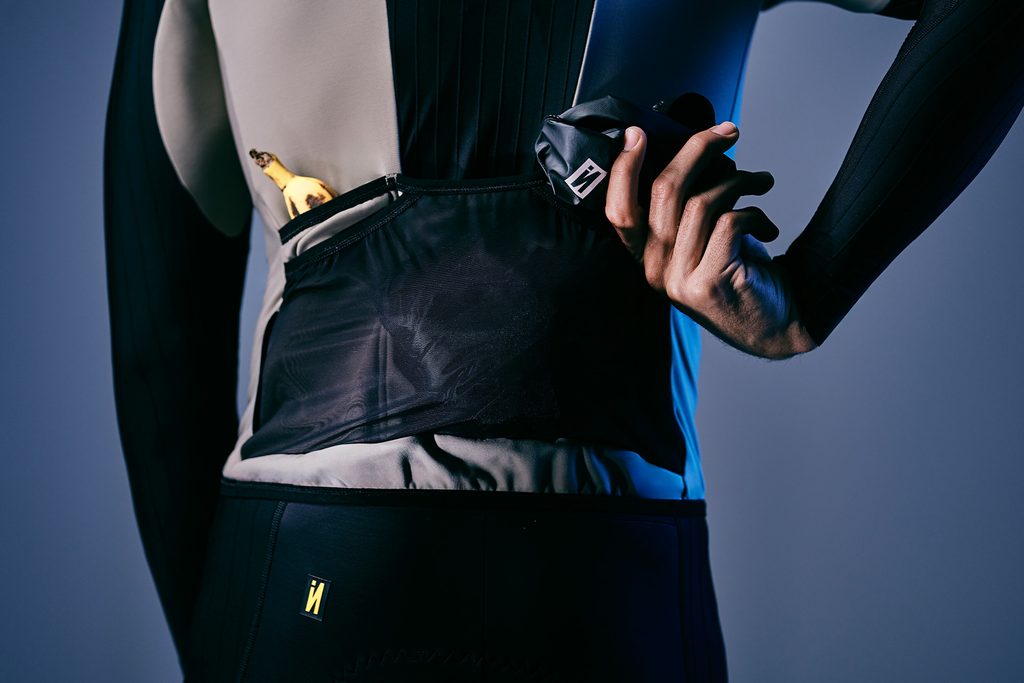
Packable windproof vest
A lightweight vest is particularly useful for protecting your torso from the wind on descents or when the weather changes. If it is packable and fits into your jersey pocket, you can carry it without taking up much space and put it on only when needed.
The key is to choose a garment that combines protection, breathability and ease of putting on or taking off during the ride.
Gloves suited to the temperature
Your hands need protection because they play a direct role in controlling the handlebars, brakes and gears. Gloves should strike a balance between thermal insulation, feel and freedom of movement.
It is not advisable to choose gloves so thick that they make it difficult to operate the brake levers. On particularly cold days, dedicated winter gloves may be necessary.
Cycling glasses
In winter, glasses are not just for protection from the sun. They also help reduce the impact of wind, dust and particles that may get into your eyes while riding.
Choose lenses suited to the light conditions. In low light, lenses that are too dark can impair visibility.
Reflective details
Days are shorter, and it is common to set off early in the morning or return at dusk. Improving visibility is therefore a priority.
Clothing and accessories with reflective details can help other road users spot a cyclist. They should be used alongside the required lights and other necessary safety measures.
These accessories do not replace thermal garments, but they complete your kit so that it is better suited to typical winter conditions.

8. Winter cycling clothing accessories for men and women: what should you consider?
The principles for protecting yourself from the cold are the same for men and women: retaining heat, managing moisture, maintaining freedom of movement and adapting clothing to effort and weather conditions.
The difference lies in fit and individual needs. Anatomy, sensitivity to cold, training intensity and personal preferences all influence the choice of each accessory.
Unisex accessories, such as the ESSENZ NEVADA thermal base layer, can be an option for cyclists of any gender. For other products, check the available sizes and the specifications of each model.
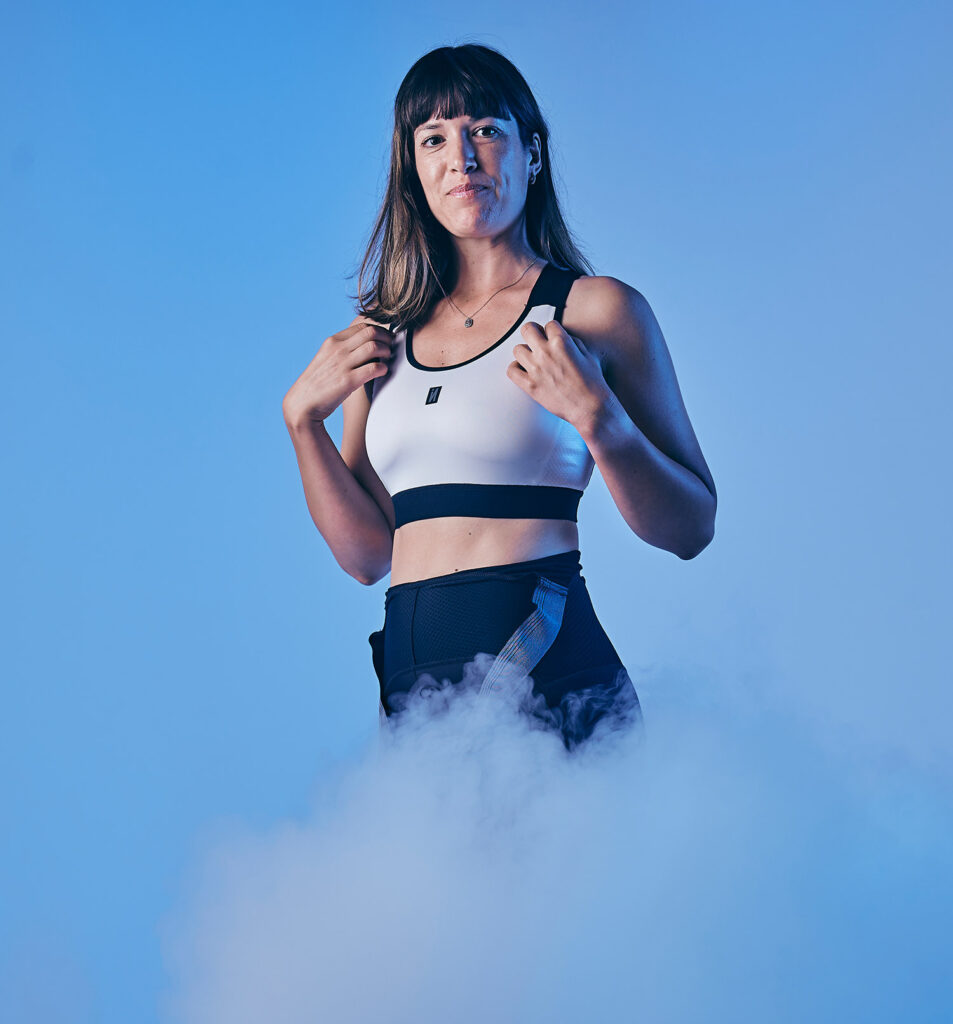
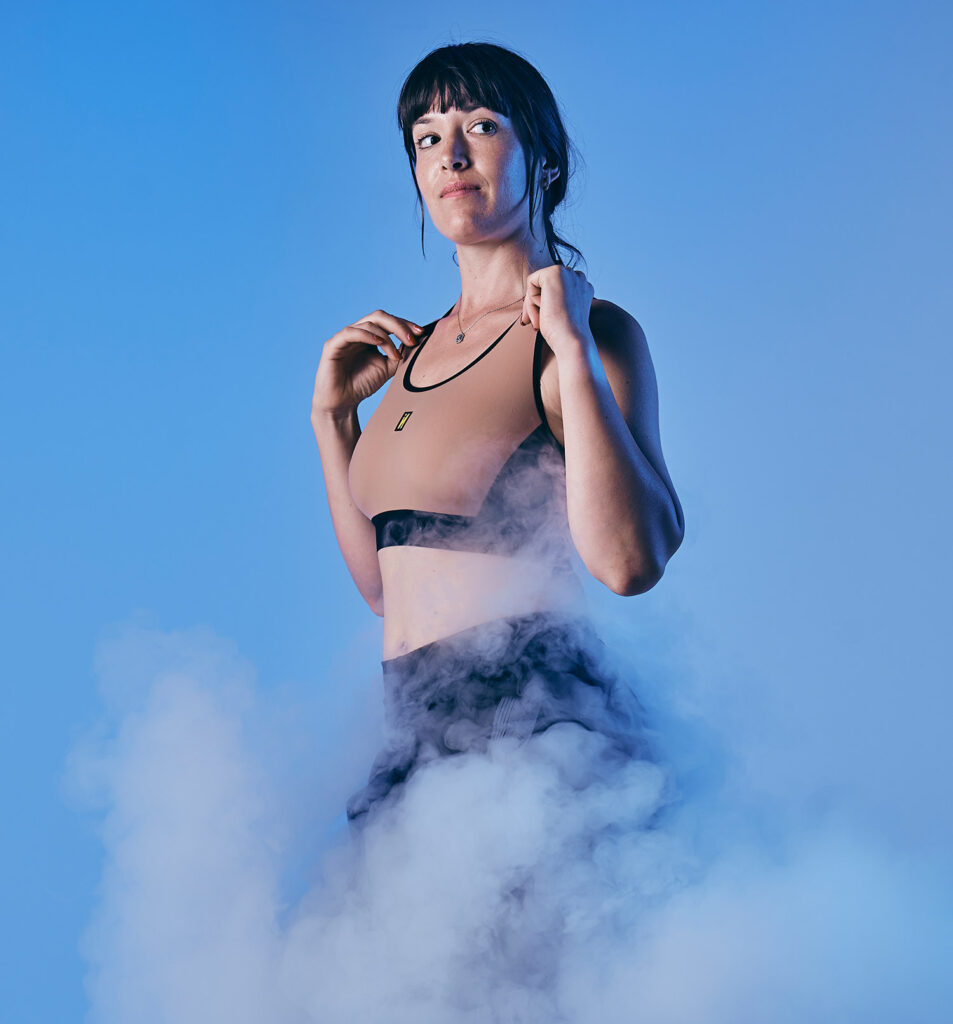
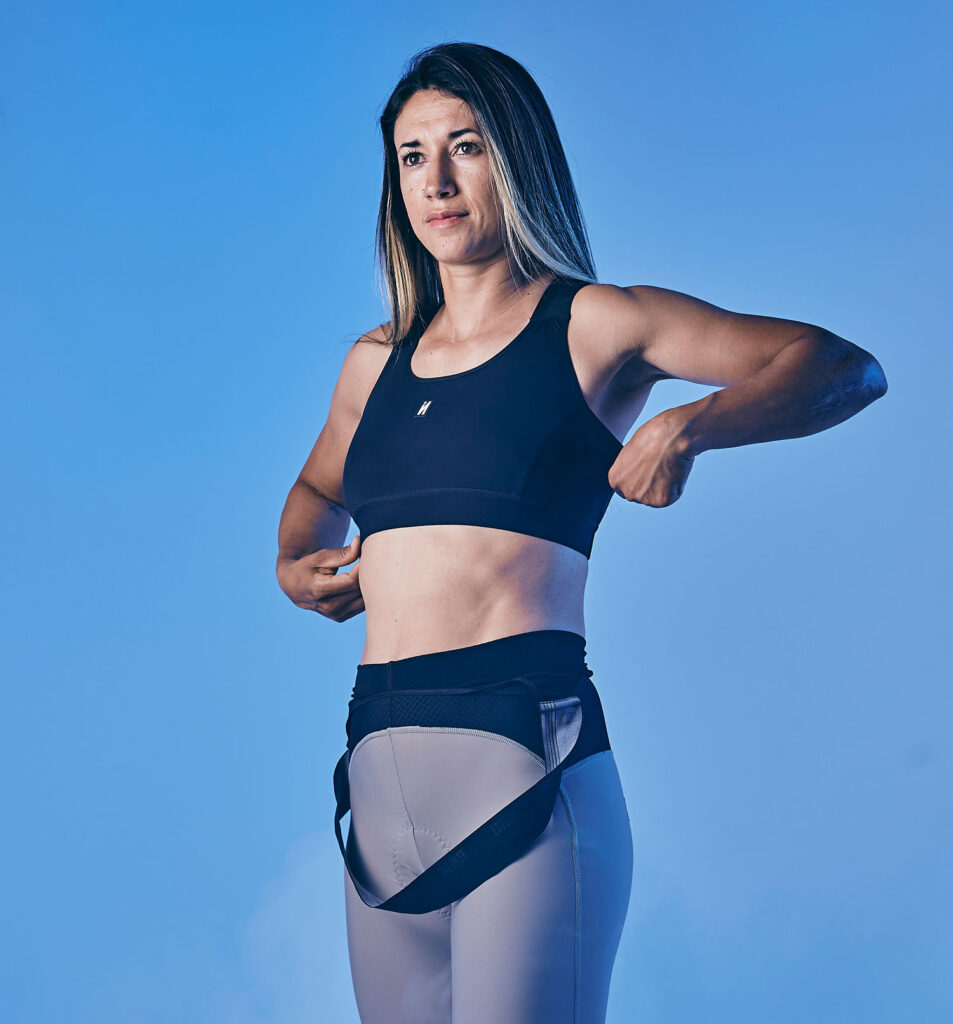
Women cyclists should pay attention to the fit of base layers and make sure they do not cause pressure or chafing, for example with sports tops. The same criteria of comfort, breathability and fit are equally important for men.
In both cases, the best kit is not necessarily the one with the most layers, but the one that keeps you comfortable throughout the ride.
Productos recomendados
9. How to choose cycling accessories according to temperature
NThere is no single combination that works for every winter ride. Thermal comfort depends on the actual temperature, each cyclist’s individual sensitivity to cold, wind, humidity, effort intensity and ride duration.
As a general guide:
- Cool or mild-weather days: a suitable base layer, arm warmers and a lightweight neck warmer may be enough, depending on the intensity of the effort.
- Cold days: add a skull cap or ear warmers, suitable socks and an outer layer that protects against the wind.
- Very cold or windy days: combine several technical layers and use thermal accessories designed for the areas most exposed to the elements.
- Rides with changing temperatures: prioritise accessories that you can easily remove and store in your jersey pockets.
These recommendations are general guidance. Your final choice should be adapted to the weather conditions and your individual tolerance to cold.
10. Cycling kit does not end with the jersey and bib tights
When we think about winter cycling clothing, we tend to focus first on the jersey, bib tights or jacket. These are essential garments, but they do not meet every need on their own during a winter ride.
Accessories allow you to fine-tune protection, cover exposed areas and adapt your kit to changing temperatures. Many are also compact, lightweight and can be put on or taken off in seconds.
A thermal neck warmer, arm warmers, a skull cap or technical socks are not unnecessary extras. They are functional tools for improving comfort, managing the cold more effectively and enjoying more rides throughout winter.
At INVERSE, the cycling accessories collection is designed to complement technical clothing and meet athletes’ real needs.
Discover INVERSE cycling accessories and complete your winter kit with practical, technical items designed for your rides.
Frequently asked questions about winter cycling clothing accessories
The most useful accessories are a thermal neck warmer, a skull cap or ear warmers, arm warmers, technical socks and a thermal base layer. Depending on the temperature, winter gloves, a windproof vest and reflective details are also worth using.
A thermal neck warmer protects your neck from cold and wind. It is a versatile accessory that can be pulled up or down during the ride to adjust coverage according to the temperature and effort level.
It depends on each cyclist’s needs. A skull cap covers more of the head, while ear warmers specifically protect the ears. Both must be compatible with the correct fit of your helmet.
Arm warmers add thermal protection to your arms and let you adjust your kit during the ride. They are especially practical when it is cold at the start and the temperature rises along the route, as they can be removed and stored easily.
The best socks combine comfort, breathability, reinforcements in support areas and a proper fit inside the cycling shoe. They should not be so thick that they compress the foot.
A woman cyclist can combine a sports top, thermal base layer, long-sleeved jersey, long bib tights, a jacket or protective vest, and accessories such as a neck warmer, skull cap, arm warmers and technical socks. It is important to choose sizes and cuts that fit the body properly.
The recommended accessories are much the same: a technical base layer, protection for the neck and head, suitable socks, gloves and items that help regulate temperature. The choice depends on the weather, ride duration and sensitivity to cold.
The best strategy is to dress in layers and choose technical accessories that can be put on or removed during the ride. The aim is to maintain thermal comfort without accumulating excess sweat, which can make you feel colder when effort levels drop.
Arm warmers, neck warmers and packable vests are particularly easy to use. They let you adapt your kit as the temperature changes without having to stop for long or change all your clothing.
The INVERSE collection includes accessories such as the OUTTER KYRO and PURE EDERRA thermal neck warmers, the PURE IMA skull cap, PURE ODA ear warmers, XPERT AERO arm warmers and ESSENZ NILO socks. Availability may vary by model and season.
You can browse the cycling accessories available in the INVERSE online store: https://www.inverseteams.com/es/coleccion/accesorios/.https://www.inverseteams.com/es/coleccion/accesorios/